

02 Unknown Author, Franz Joseph I, c. 1900, Oil on Canvas
Fotogalerie
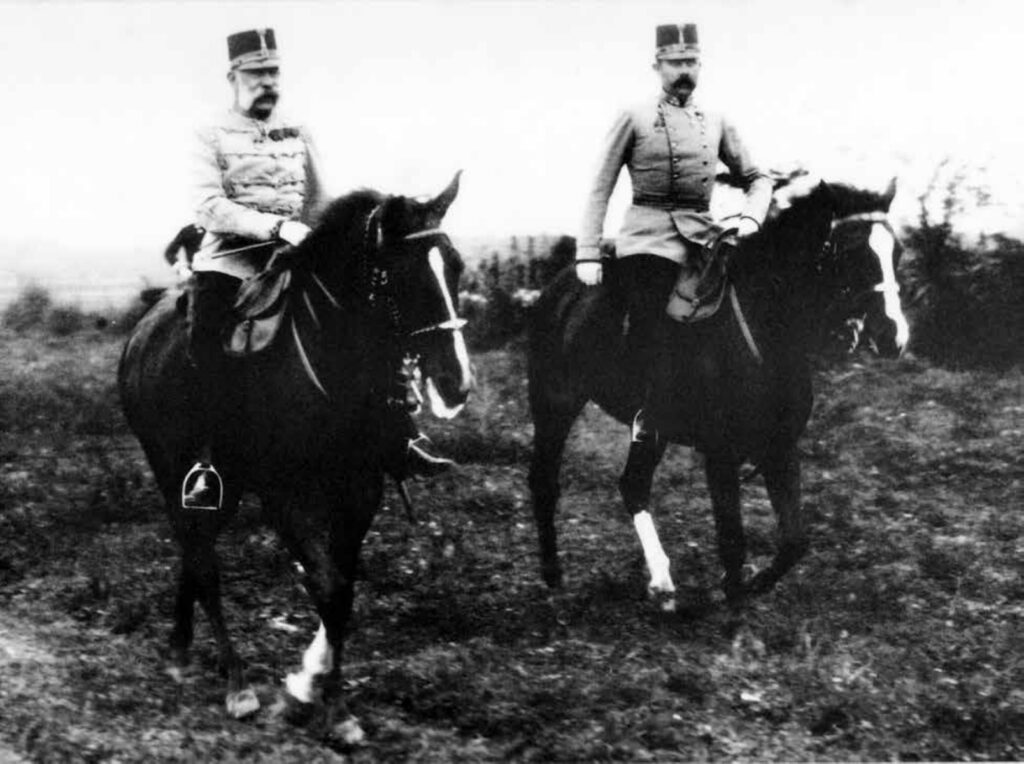
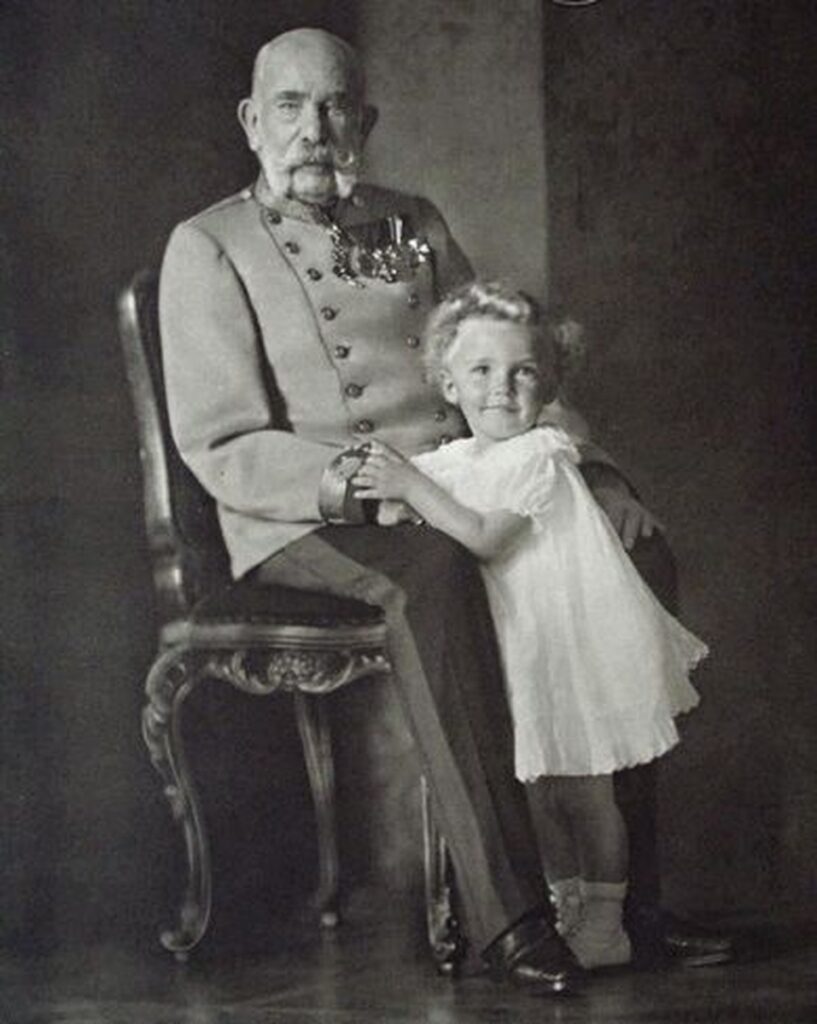
The rich art collections of the Military History Institute in Prague contain dozens of portraits of members of the Habsburg Imperial House – monarchs, archdukes, and their family members. The most numerous among them are portraits of the longest reigning Habsburg Emperor, Franz Joseph I. The painters came usually from the Austrian court and their works were then copied or imitated many times. In some cases, a single artist even created several identical portraits that differed from each other only in minor details.
Although Franz Joseph I was never crowned King of Bohemia, official portraits were made for the purpose of his travels in the kingdom, mostly commissioned by the Bohemian Court Chancellery. The attributes of Bohemian royal power were often depicted together with the monarch, which can be seen as a sign of respect or a wish to achieve the impossible.
It cannot be denied that the Austrian Emperor, throughout his life, honestly fulfilled the role of the first official in the country. He had a perfect memory and sense of order. Every day, unless he was travelling, he sat at his desk from the wee hours of the morning, addressing official business. He was not only strict with himself; he also demanded his subordinates to comply 100% with his orders and directives. When he was young, he loved to paint and had undeniable artistic talent; his watercolour paintings show an eye for detail and care. However, he did not consistently pursue this hobby and did not have a warm relationship with the visual arts in general during his reign.
The private life of Franz Joseph I was struck by two tragedies: the death of Empress Elisabeth and the suicide of their son Rudolf, Crown Prince of Austria. An incredible sixty-eight years of reign made Franz Joseph a major player in 19th century Central European history.
Aktuálně
Výstava „1945-Voláme všechny Čechy!“ prodloužena do 8. května 2026

V neděli 8. března se v Sokolovu uskutečnil pietní akt

Připomínáme si výročí bitvy u Sokolova - 8. 3. 1943
Připomínáme si 176 let od narození prezidenta T. G. Masaryka
Připomínka data narození: parašutista Jan Hrubý / 4. 3. 1915 - 18. 6. 1942





Vojenský historický ústav Praha
U Památníku 2, 130 05, Praha 3
muzeum@vhu.cz
Ředitelství
Ředitel VHÚ Praha
brigádní generál Mgr. Aleš Knížek
Sekretariát ředitele
+420 973 204 900
ID DS
hjyaavk
Správní rada pro vyřízení vývozních povolení, darů či výkupů
+420 973 204 903
Správní rada pro vyřízení zápůjček
+420 973 204 900
Veškeré informace týkající se zápůjček exponátů na výstavy a další akce, formuláře pro vývoz milirarií, práva k fotografiím a filmovým sbírkám atd. naleznete v samostatné rubrice Služby veřejnosti.
Knihovna VHÚ
Pracoviště Rooseveltova
+420 973 215 544
Vedoucí knihovny VHÚ
+420 973 215 938
knihovna@vhu.cz
Časopis Historie a vojenství
Šéfredaktor
David Pazdera
+420 973 204 941
Armádní muzeum Žižkov
U Památníku 2
Praha 3 - Žižkov
+420 973 204 924
Letecké muzeum Kbely
Mladoboleslavská ul.
Praha 9 - Kbely
+420 973 207 500
Vojenské Technické Muzeum Lešany u Týnce nad Sázavou
Lešany u Týnce nad Sázavou
pošta Krhanice, 257 42
+420 973 296 161

